

Superkilen
Svaneborg Kardyb; "Tide"; from Amazon

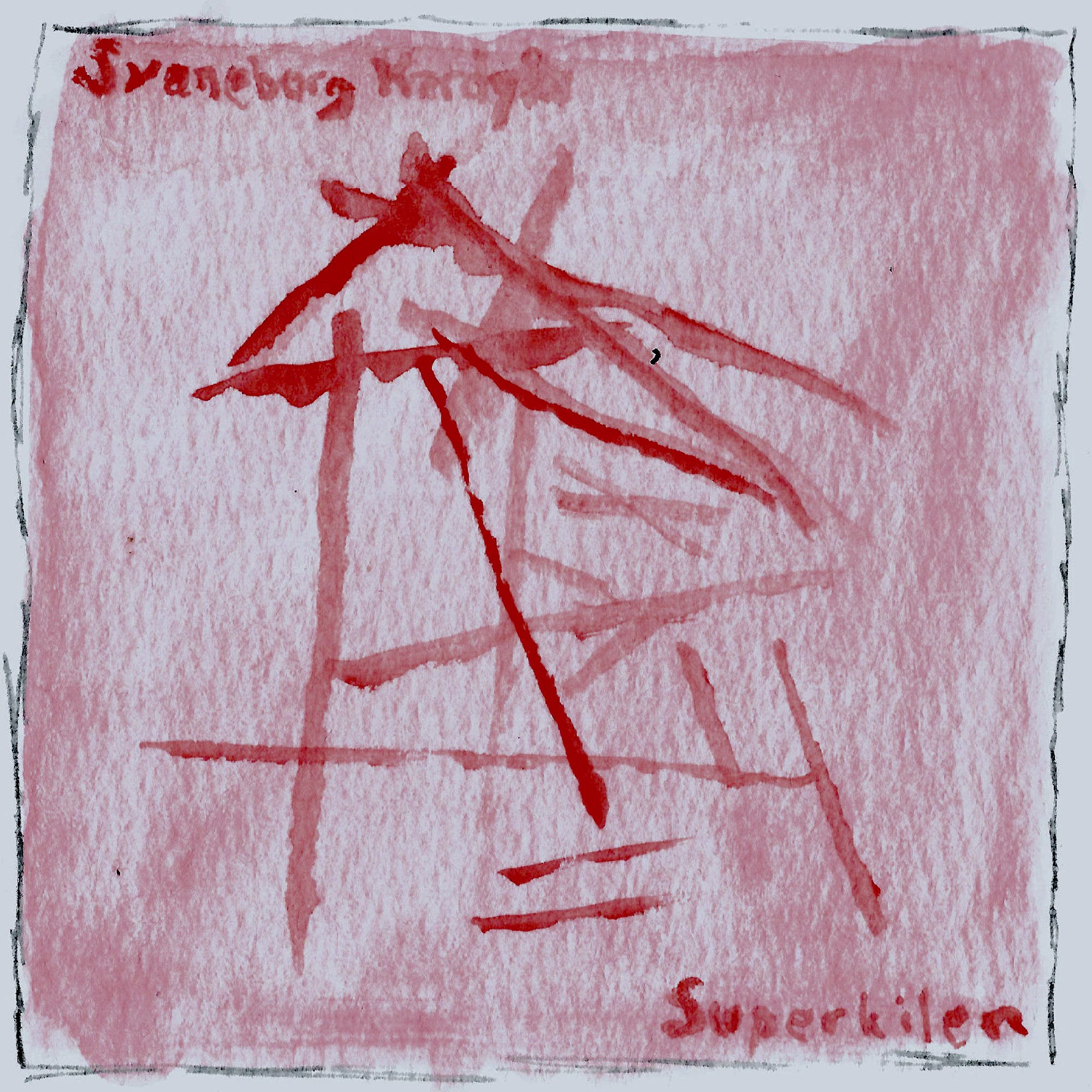
In the late 1950s, Copenhagen was one of the quietest jazz capitals in the world. Every night, in a dim basement called Jazzhus Montmartre, American musicians played to Danish audiences who listened with the kind of rapt attention reserved for the solemnity of the secular cathedral the place was. Dexter Gordon’s tenor sax echoed against the brick walls; Ben Webster found a kind of peace he hadn’t known in New York. To the Danes, jazz represented warmth, democracy, and emotional clarity. The music matched the temperament of the people precisely because it left space, for listening to the atmosphere of the place where the music happened. Out of that space grew what the Danes call hygge—a deeply Scandinavian idea not invented by jazz, but expressed by it: the feeling of belonging to the moment, of quiet contentment shared among equals.
When I visited Copenhagen with my wife on our honeymoon, I felt that very same feeling. We spent a single day working our way through the city, seeing the monuments, the sights, and so on. After our walking tour, our snaps and smørrebrød tasting menu was curated by some kind Danes at a lunch meeting. They sped off on their bicycles along the canal after they ordered for us. By evening the air itself seemed to hum with a kind of gentle conviviality. I was disappointed to leave, but we had to make our way to Sweden and on to Norway.
We would go back to Copenhagen a couple years later with friends, coincidentally just the week before Superkilen was released. I had been primed to listen to the emerging Scandinavian jazz scene a bit from my travels up north, and was ready to dig. I remember ducking into record shops with N in tow, hoping to find something local, and being surprised that there were no contemporary jazz records to be found. It was as if the Danes were keeping the best parts of their culture hidden away, saving the good music and atmosphere for themselves.
Listening to Svaneborg Kardyb now, it feels like being invited back into that world of secrecy. Or maybe secrecy isn’t exactly the right word--it’s like parlor music, the kind of private ambiance that feels so familiar and present that the performers could basically be playing in your foyer. The band makes room for silence, tenderness, and the simple pleasure of being together when the world outside grows cold.
It’s hard for me to avoid nominal determinism here, the association between a name and a thing’s function, but—in my estimation—this record does exactly what its name suggests. It is named after the Superkilen park in the Nørrebro district of Copenhagen. It’s a place with symbolic resonance: an urban regeneration project that transformed what was once a strip of waste ground into a space devoted to communal gathering. It is both public and intimate, familiar yet open for surprise and difference. The record is the same way: Superkilen is absolutely jazz, but jazz inflected with post-rock, transfigured by Scandi sensibility, not unlike other groups I love. It’s music that has been distilled from the atmosphere of Denmark itself, the muted skies, low horizons, and soft domestic rituals from friends coming together.
Verdict: Keep
What music have you brought back from your travels?