

New Sentimentality
toe; "グッドバイ (Goodbye)"; from Amazon

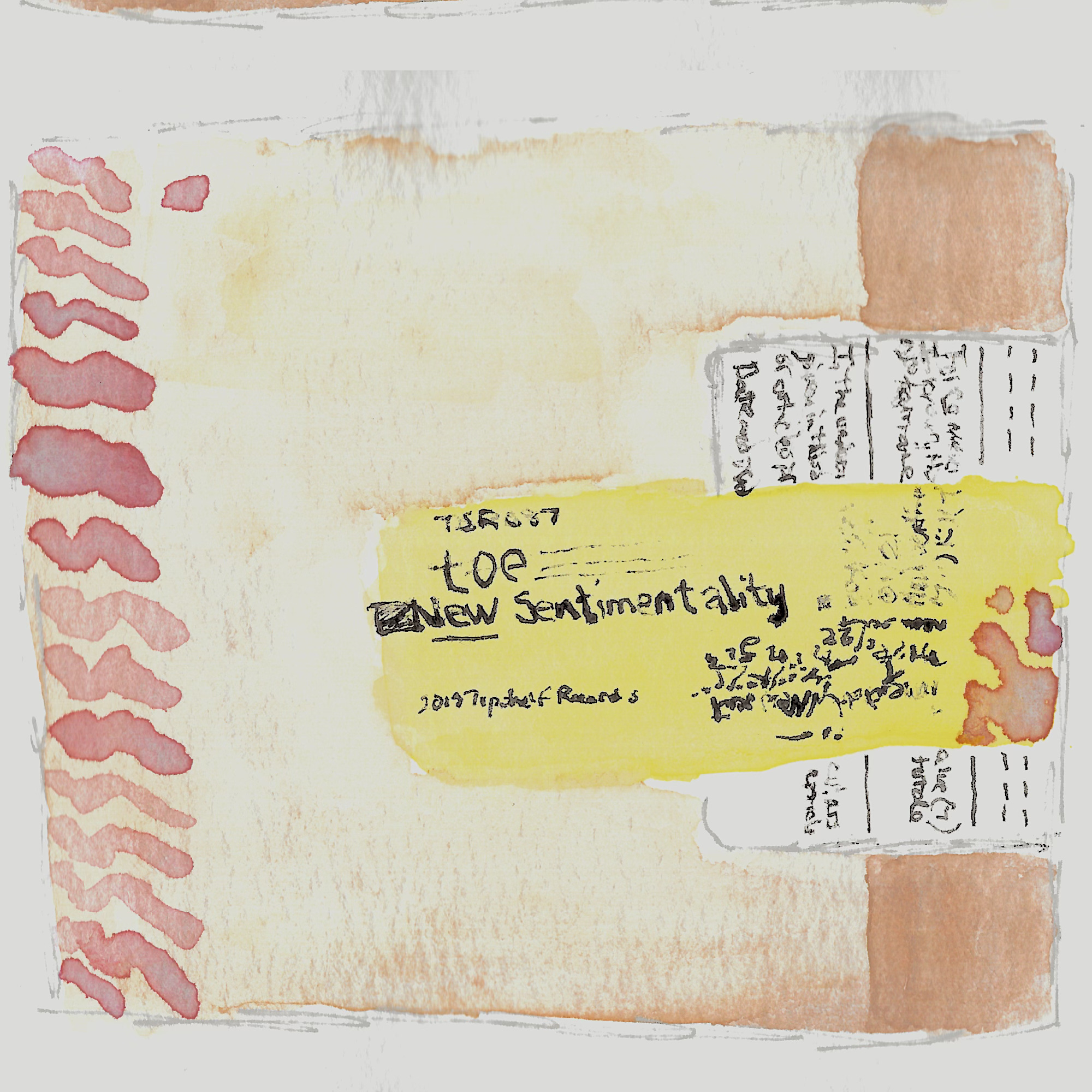
From the perspective of my teenage self, with no noteworthy diacritics to discern proper pronunciation, I had always assumed that the band was named for the biggest little guy on my left foot. My legs and feet are different lengths, owing to a birth defect and childhood surgery. At some point during my teenage years it just stopped growing, unlike the work that the band produced.
I found Toe (actually stylized as toe but throughout I will use the uppercase to make the name more clear amid the text) the same way I found a lot of music back then—through DC++, through Soulseek, on a forum with devoted fans. I wasn’t searching for them; I just noticed their name in someone’s shared folder and downloaded it. In the early stages of becoming a digital hoarder, you grab things and figure them out later.
Part of my initial curiosity was that they were a Japanese group, and that alone made me pay attention—seeing song titles written in hiragana wasn’t something I was used to, though with my forays into Brazilian music you might say I had a predilection for exoticism.
In my memory, my first exposure to the group was a concert recording called TOE_DVD, where they put the audience through their paces, quick-turned from arpeggios and space echo experimentation to intense breakbeats, major sevenths and add9 shapes that stretch things out instead of resolving quickly. But what really stood out was how immediate the recordings sounded. The songs felt calm, even when they were complicated: clean guitars, often acoustic; well-recorded drums that sounded like they had just come out of a high-grade studio; nothing buried under distortion, or trying to sound bigger than it was.
Math rock was always something I was curious about too. The music was carefully built, through-composed, not just performed like a pop song. I had been listening to bands with sharp, precise guitar playing that sat somewhere near punk and emo but felt more controlled, more deliberate. Kids these days would probably refer to the timbral choices and chordal movement as adjacent to midwest emo, an emergent classification which collapses groups across a wide timespan into one simply-defined label. but—for me—a shortlist of core influences might be comprised of Cap’n Jazz, American Football, Fugazi, At the Drive-In, Minus the Bear, or Maps & Atlases. I suppose some of those aren’t from the midwest, but that’s a failure of genre classification for you. In any case, most of the math-leaning music I knew felt tense or compressed, too close to your ear. Toe was more expansive, spectral, haunting.
I found myself thinking more about Toe as I went back to visit my parents, to help them navigate the bureaucracy of preparing their taxes and to ferry them to medical appointments. They are getting older. I am getting older. But, through the affordances of music and spatial memory, when I am in my childhood bedroom, I am—for a brief moment—transported back to being seventeen, seeing the ghostly silhouette of my younger self just in front of me, gazing into the area of my now-empty desk where my CRT monitor once sat, enraptured by watching these men from half a planet away tap away at their instruments the way I tap at my keyboard, and knowing that the world is bigger and stranger and more beautiful than he (I?) imagined, because this music could be pulled forth from it.
If I had bothered to learn the Hepburn romanization when I was deep into the world of JRPGs, Murakami, anime, and this music, perhaps I would be able to pronounce the word “グッドバイ”—the standout track on this release, and a mainstay of their live performances—but I would never actually say it, and bid adieu to that era of my life.
Verdict: Keep
What is your favorite band named after a body part?