

My Song
Keith Jarrett; "My Song"; from a barn sale in Central Ohio

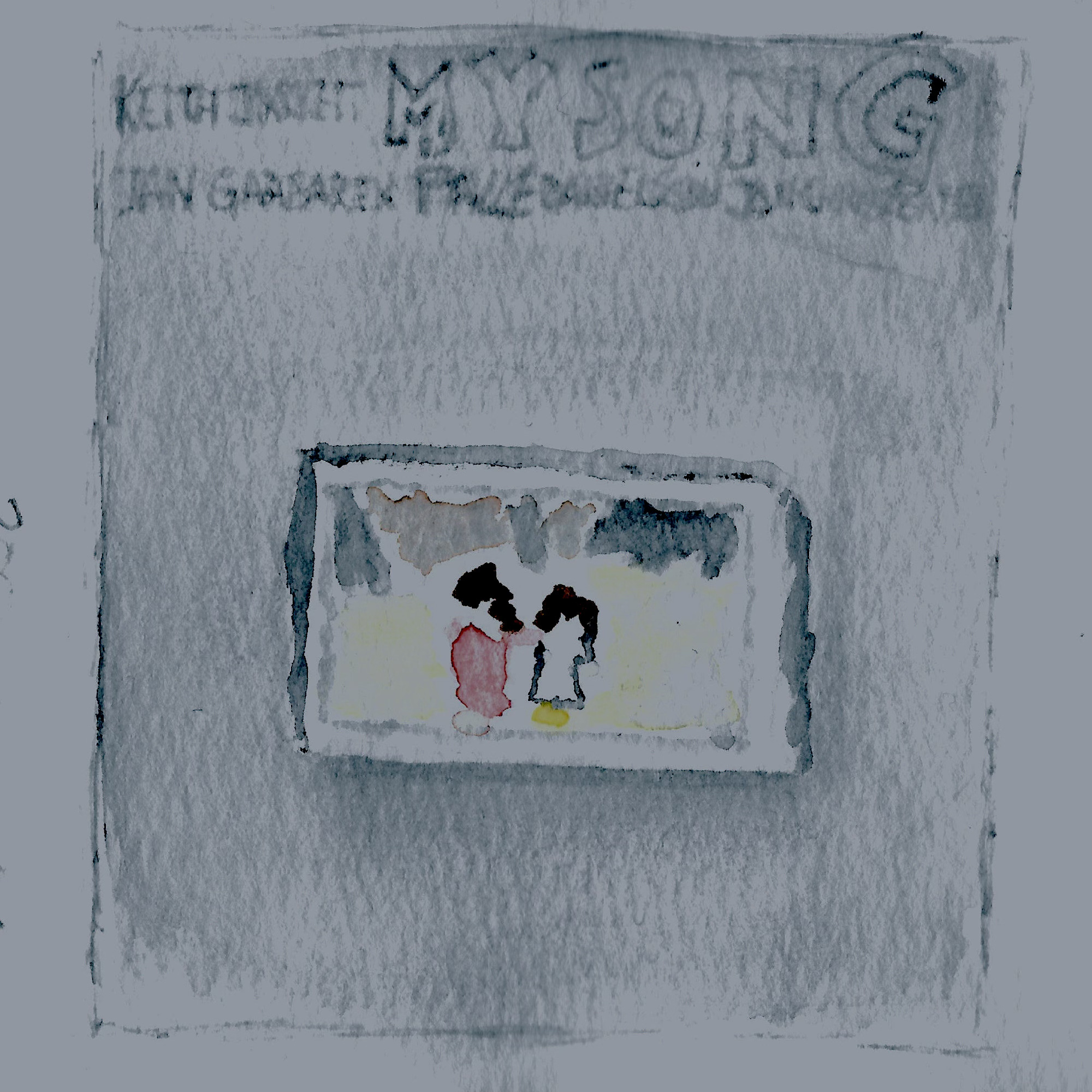
My wife will never let me do this, but I have this fantasy that I will create a small placard for all the art in our house, to provide museum-level context and narrative for each piece displayed on our walls. In this fantasy, I will put the rainy afternoon on pause, ignore all logistical and professional requirements, and gaze intently at each brush- or penstroke, letting new valences of the familiar reveal themselves to me. This moment of reflection is a moment of abundance, looking at the lacquerware we picked up on some journey years ago, or the pots hand-made by my mother in the 1970’s, light dancing across the surface as the autumnwinter sun goes down.
This is how I feel when I listen to My Song by Keith Jarrett—the music takes up space in your home when you listen, and you are able to come back to it at varying levels of detail, to appreciate the microscopic split-second decisions of each performer, the subtlety of each breath presenting itself like a brushstroke.
I became a Keith Jarrett guy late in life, scoring a horde of his records from a barn sale long ago. Only in the past couple of years have I begun to learn about his creative trajectory (outside of being a sideman for Miles). In pieces like the interior components of My Song, Jarrett seemingly pulls the elegant voice leading and counterpoint of a 1990’s Disney movie title theme, smoothly and effortlessly and seemingly out of nowhere. There are similar moments of gold throughout the record. The only downside, for some, is that it’s clear Jarrett is getting into this music. You can tell because he starts atonally singing along with the piano phrasing. “Tabarka” probably displays this in its full intensity—the louder the music gets, the louder he gets, and then it all falls away.
The dynamic contrast, the small ensemble, and the nuances in performance between musicians lets the listener experience this as chamber music. When you put the record on, it’s as if the group got together for your very own art exhibition. The album’s textures are delicate, with careful communication and a balanced dialogue between the piano, saxophone, bass, and drums, akin to chamber ensembles’ conversational nature.
And ECM, the label that released this record, fosters that kind of conversation. The label is now known for producing albums that embrace artistic freedom, exceptional production quality, and a unique aesthetic characterized by spacious, pristine soundscapes often blending jazz with European classical and world music influences. Part of the reason for its renown is Jarrett’s innovations, to combine classical, folk, and jazz, with expressive through-composed melodies balanced against moments of free playing from the performers. In that sense, My Song is a classic ECM record.
The photo on the cover of the album seems like it needs the same kind of description that I outline above; more liner notes, more context. It was taken by Jarrett himself during a trip to Tunisia and depicts young girls standing, looking directly into the camera. It represents a moment of beauty, innocence, and a sense of place that deeply moved him. The image and the music are connected through Jarrett’s response to the tableau: many of the themes are simple, almost naive melodies in their straightforwardness, but precariously perched between more frenetic and intense instrumental interplay. It’s a new kind of chamber music for a new kind of art gallery.
Verdict: Keep
Which song is your song?