

Ghost Rock
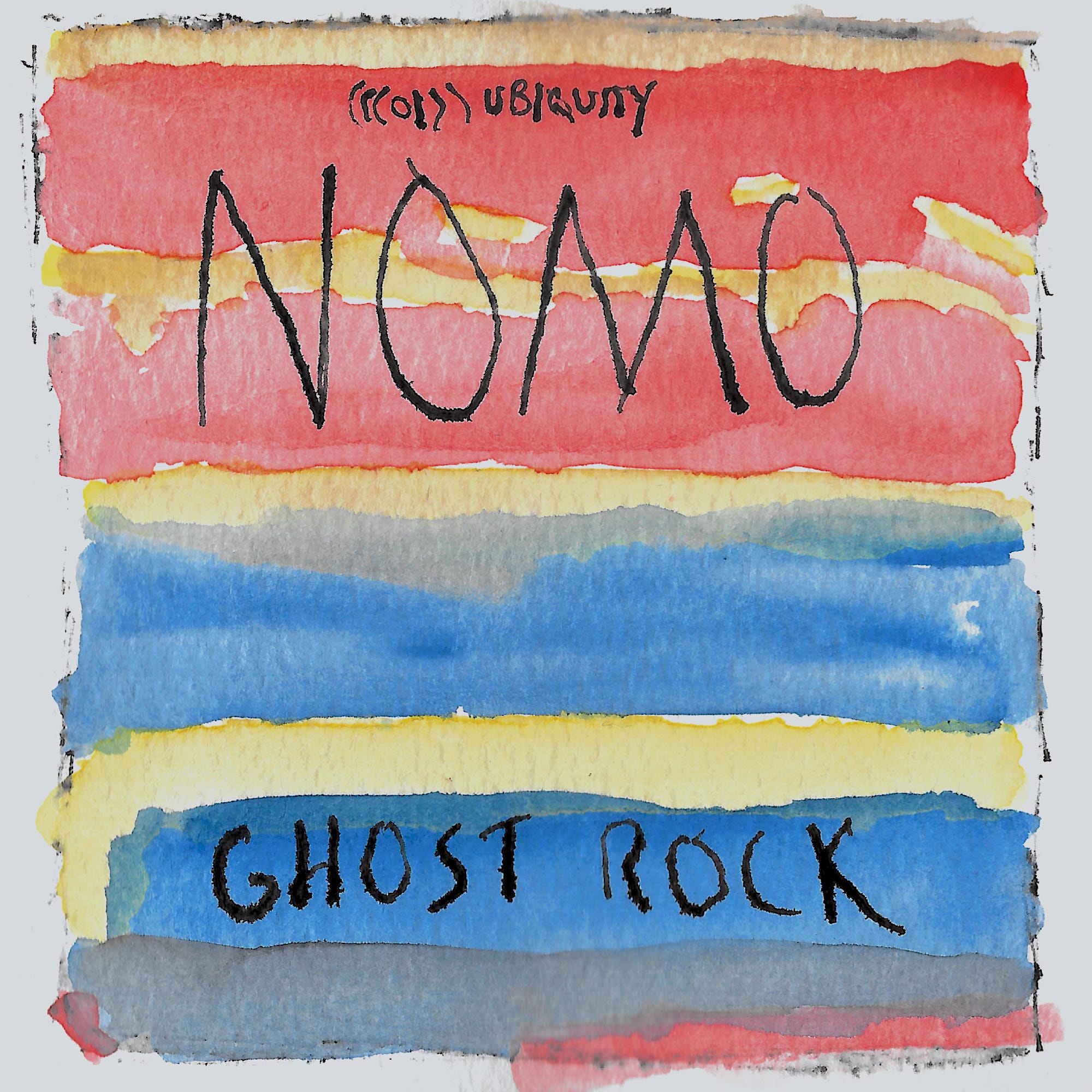
Nomo; "Brainwave"; from Ubiquity Records

Punk is a kind of posturing. For me, there has always been something theatrical about the mythology surrounding DIY culture: the patched jackets, the Xeroxed manifestos, the romanticization of grime. Don’t get me wrong: I lived a short life of grime in my dumpster diving days, and I have some affection for it. But when people talk about “doing it yourself,” in most cases the labor has simply been displaced further down the supply chain. To really do it yourself, you almost have to disappear from culture entirely, which means the commodified rebellious aesthetic vanishes with you.
Give me the figure from the Tom Waits “What’s He Building?” monologue over some crust punk any day: the paranoid neighborhood eccentric welding together inscrutable machinery behind closed doors has a quiet odd vitality. We should celebrate the weirdo who actually builds the instrument (even if that instrument’s purpose isn’t legible to us) instead of buying a knockoff from Amazon.
I’ve written about this before, but something strange was happening in the early 2000s around African music, especially within indie culture. Suddenly there were all these lateral connections opening up across the Atlantic. Bands and producers in the Anglophone world became obsessed with folding some of these core concepts into the indie canon. Vampire Weekend absorbed South African guitar music through the refracted mirror of Paul Simon and Graceland. Four Tet fell into Tuareg guitar music from Niger and Mali. Dance music heads became obsessed with Konono Nº1, whose distorted thumb pianos sounded simultaneously ancient and futuristic, like a pirate radio station assembled from broken speakers and car batteries.
There was something deeply compelling about the fact that their entire sonic architecture emerged from material scarcity. Not “lo-fi” as branding, but actual engineering improvisation: amplification systems built from scrap metal, handmade electronics, blown-out distortion from ripped speakers. It fused together hacker culture and folk tradition and—since my interests were at the intersection of the two—I was smitten.
It turns out that Elliot Bergman, the leader of the band Nomo had also had heard of this stuff, had been working on some of these musical ideas on their first record. That’s what makes Nomo feel different from a lot of the indie-afrobeat wave that followed. Bergman built instruments himself—modified thumb pianos, homemade percussion systems, even gamelan-like assemblies from sawblades, bells, and found metal objects. For this record, he even incorporated a brainwave-reading device into the music, which sounds less like music trivia and more like something from a Midwestern laboratory populated entirely by art-school dropouts and experimental percussionists.
What I love most about this record is that the music never settles into tastefully bland “world music” cosmopolitanism. The band’s music feels obsessed with the boundary between primitive and futuristic, where circuitry and junkyard acoustics start collapsing into one another. There’s still abrasion in it, tension, weirdness. It’s music made by people who wanted to touch everything: wood, metal, wires, oscillation, rhythm, debris. DIY from first principles and raw materials.
Verdict: Keep
What do your brainwaves sound like?