

Future Games
Fleetwood Mac; "Woman of 1000 Years"; from my parents' collection

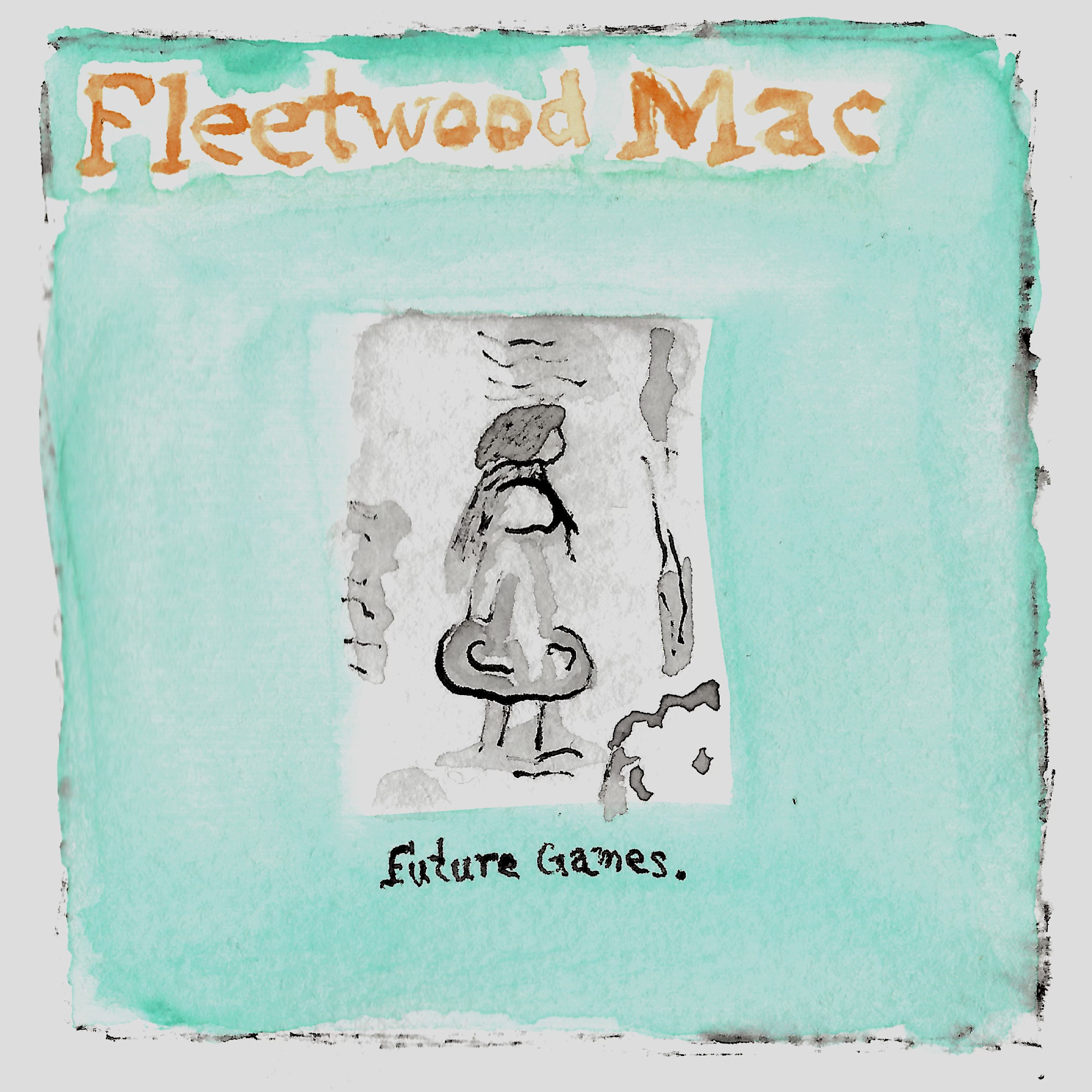
Fleetwood Mac is a Ship of Theseus band, but not like The Ink Spots. Original members rotate through the lineup and eventually pursue their own projects, and the metamorphosis isn’t as straightforward as caterpillar-to-butterfly—there’s many intermediate creatures that are spawned and appear across life phases of the group.
My experience with Fleetwood Mac began in the band room in high school. In anticipation of every Friday night football game, we were able to bring in our own music to get pumped up. Since there was a hundred or so of us, there was often a pretty intense battle about who would control the stereo while we got our uniforms on. Thankfully, I was first chair of the bass trombone section (there were only two of us; I wasn’t that great), and that positioned me right next to the faders for volume control and the five-disc changer. My friends in the sousaphones had a live album of the band, and—much to the chagrin of the woodwinds girlies who wanted to hear more upbeat radio pop hits—we played that record on repeat for about half the season.
The name of this live recording we listened to is lost to the sands of time, but the band showcased pretty much all the eras they passed through across those two discs—some kind of retrospective in my mind’s eye (mind’s ear?). They began with blues and folk music like so many other acts of the time period, and then pivoted into something more atmospheric and ambient. And this is long before hits like “Dreams,” “The Chain,” or the dramatic interpersonal conflicts among band members—they’re still figuring out what the emotional core of what this project is going to be, and it’s fascinating to hear.
The songs on this record are expansive, and somewhat out-of-character if you already have an idea of the group. One—“What a Shame”—even features a Meters-esque deep sinewy funk line, the most out-of-character and most delightful for me. Notably, they had a proto-post-rock song featured in a Fassbinder film, marking a transition from straightforward songwriting into stuff that was a little more weird—maybe like a version of Pink Floyd that is more bright and upbeat, less dour. With this record, they anticipated some of the hazy-yet-melodic guitar-driven rock that would gain popularity in the mid-2000s, reminiscent of bands like Midlake or Arcade Fire or some of the Brooklyn groups that would later appear on Dark Was the Night.
If you want to hear Fleetwood Mac when they were more boundary-pushing, introspective, and pastoral, this is the collection you should seek out. Especially thinking back to the band room, the deep listening required for the songs on this album would not have worked with a bunch of loud, distracted kids trying to get ready for their own performance. I’m glad I found this later on, when I was ready to suit up for it.
Verdict: Keep
Fleetwood-McVie or Buckingham-Nicks?