

Forest Flower
Charles Lloyd; "Sorcery"; from Used Kids Records

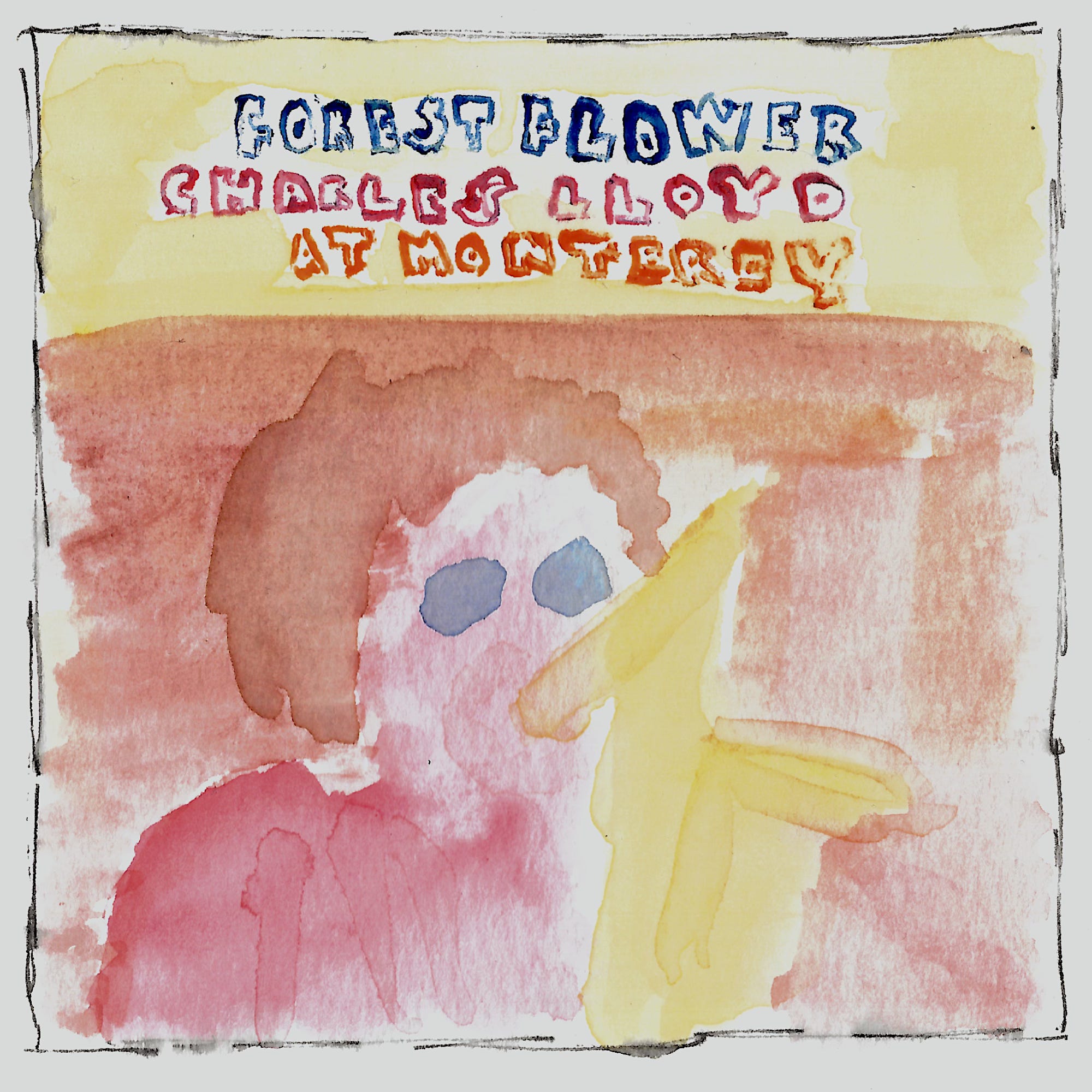
De La Soul rapped about the D.A.I.S.Y. age. Before that was flower power. And, somewhere in between, after Woodstock, when the hippies realized that the pedicel had to be firm enough to hold up such a big youth movement, there was Forest Flower—a cross between a field of posies and a grove of redwoods.
To set the stage, this concert marks one of the lasts gasps of jazz in the popular consciousness—it was falling out of favor with the dual-pronged rise of the folk movement and rock-and-roll. A Love Supreme had just come out a couple years earlier, and Coltrane was starting to get weird, but that didn’t exactly compete with Hendrix.
Lloyd was working out the Bay Area for much of his career, intermingling with the psychedelic scene. He regularly shared bills with the Grateful Dead and other acts the flower power generation was smitten with. You might even make the argument that the Dead indirectly influenced Miles in some of the spaciousness and experimentalism in his electric period. Listening to some of the funk vamps with woodwinds overtop from this set, the rising stars of Keith Jarrett and Jack DeJohnette holding it down for the festival crowd—who wouldn’t be curious about taking music in another direction?
That direction is, of course, toward jazz fusion. The instrumentation of the group blends tenor sax and flute leads with impressionistic piano, walking bass, and flexible drums. During the song suite “Forest Floor”, the album’s namesake, melodies emerge as lyrical chants, evolving into Coltrane-esque intensity. Even in the first minutes, the rhythms switches up between straight-ahead rock, swing, and the rawness of the stutter-stop alternation lets you know you’re in for a wild ride.
When this set was recorded, The Beatles were still a thing, Astral Weeks and many of its fantastic cousins were yet-to-be released, and half of the important people to go electric still had yet to (Dylan, yes; Miles, no). But there were people still entranced by the way jazz music worked, by the atmosphere of people having fun in front of a crowd. Dave Brubeck beat Charles Lloyd to selling a million copies of a jazz tune (“Take Five” came out in 1961), but Forest Flower would be one of the first jazz albums to sell over a million copies, thanks in part to the high-fidelity sounds of FM rock radio. Folks were definitely on a different wavelength.
Verdict: Keep
What flower blooms on the forest floor?