


There’s a—perhaps apocryphal—story about the musician Beck, who, at the peak of his “Loser” fame, took a year off from listening to contemporary music and exclusively spun Brazilian records. Artists like Os Mutantes (often called the Brazilian Beatles), Tom Zé, Caetano Veloso, Gal Costa, and Jorge Ben filled his playlist. While I also went through a Brazilian music phase in my late teenage years, I did something similar to Beck, but with krautrock. Right when I got to third chair for the first time in the trombone section, I started listening to German music from the 70’s.
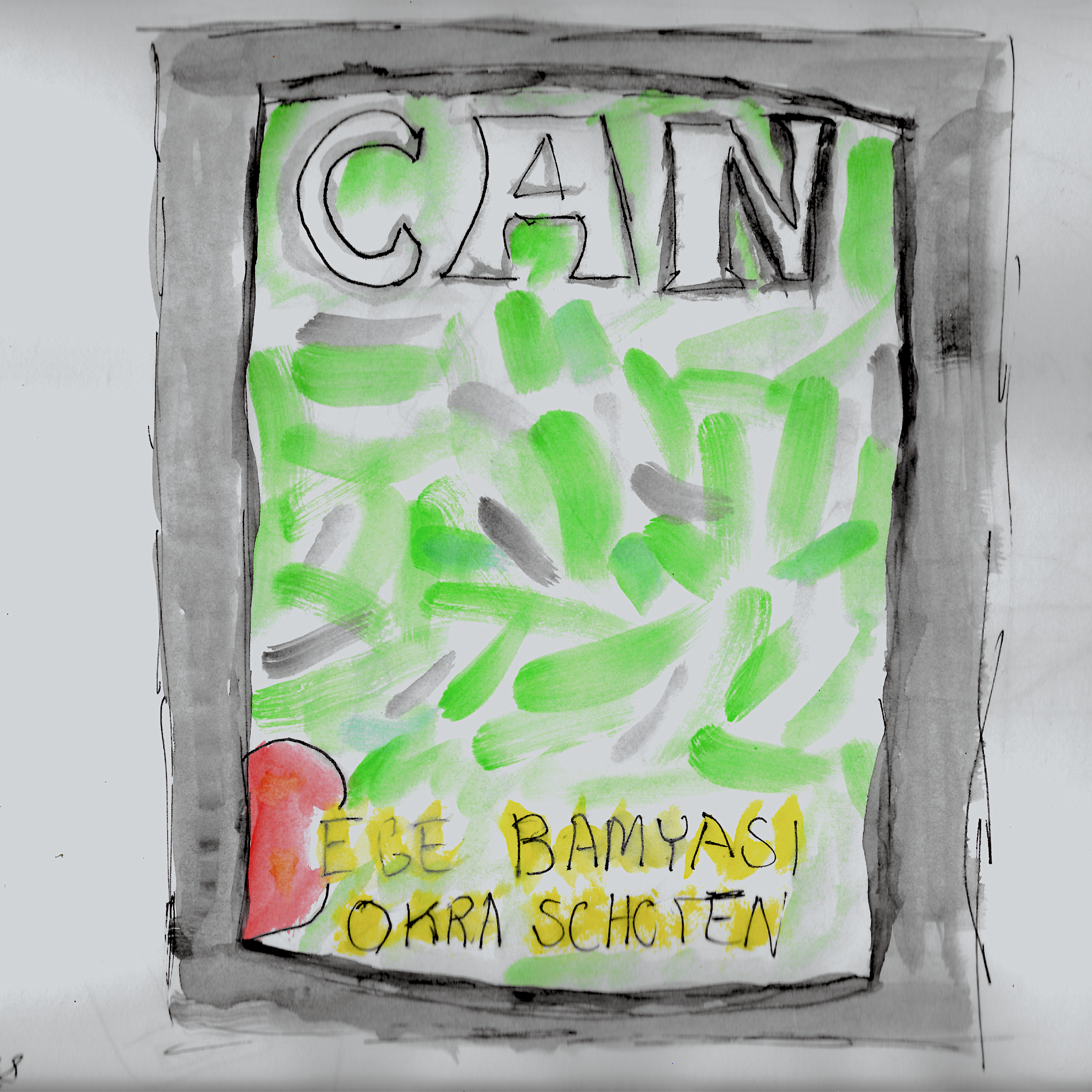
I can’t say for sure whether I first encountered Can or Neu!, but my money is on Can. From what I’ve gathered, most people discover Can through their vivid, pop art album covers before digging deeper. I, however, stumbled upon them through bootleg recordings, trading tracks on Dimeadozen and private torrent sites like Oink (rest in peace). Can was cited as an influence by bands I already liked a lot, so I had to give them a listen. Starting with a live record didn’t prepare me for what these guys were truly capable of.
Just as the Grateful Dead took American song forms like blues, folk, and bluegrass, mixed them up, and created something entirely their own, krautrock bands came from a different milieu but arrived at a similar place of musical bricolage. Instead of drawing from the music of the people, they tapped into the music of the academy (especially Can, as students of Stockhausen and refugees from the shattered post-World War II academy), blended it with the culture of the occupying American GIs, and encapsulated it all in an everlasting groove with pluralistic global influences as a clear counterpoint to the dark monolithic Germany of the previous era.
Unlike so much of the music in my life, this record defies time and place. Nothing about it ties it to a specific culture or era, yet it birthed countless earworms (or, as the Germans would say, Ohrwürmer) that crossed the Atlantic and seeped into various musical traditions. Whether you were dancing to the drum break in “Vitamin C” on a New York subway in ’78, or, decades later, hearing Kanye sample “Sing Swan Song” on “Drunk and Hot Girls,” the music feels as fresh as if it were recorded yesterday. And somehow, most of the members of this freewheeling psychedelic group made it into their late 70s, still touring, still creating, right until their last moments. Still weird.
This might also be apocryphal, but I believe I read somewhere that part of the reason this record became so influential was because, after the success of the single “Spoon,” they pressed an absurd number of copies of the full-length album and had to sell it at a discount. The economics of the music industry never cease to baffle me, but if they help get great, weird stuff like this out there, I won’t question them.
This record doesn’t have a specific season in my life, but I love it all the same whenever I put it on.
Verdict: Keep
Consider sharing a metaphorical can that you’re always excited to open.