


I like to think that this run of records in Phoenix’s catalog is a curriculum for a degree in music. The first offering is music history, and the rest of it is special topics in ethnomusicology.
With Wolfgang Amadeus Phoenix, they started to look into historical composers, implicitly playing with the connections to rock stardom today, an inversion of how Sophia Coppola’s “Marie Antoinette” borrowed from modern sensibilities to talk about the past. But with subsequent albums, they got thinking about Italo Disco or J-pop. Bankrupt! is their K-pop record.
Many critics think this record is about the nature of success and responding to the creative pressure by making something kinetic, cathartic, and propulsive. And I agree—but maybe that’s just because I spent so many years as part of the chase myself.
I listened to this when I was living in the American south, working while my wife went to university, looking for something to do to reintegrate into American professional life. We didn’t have a car, so I would take the bus an absurd distance for my commute. It was lonely—sometimes I would be the only person on the route other than the driver. My department’s office was in a boutique hotel, so there was a point at which I discovered the freezer full of sample size Ben and Jerry’s ice cream. Once in a while, I’d bring a treat for the driver—I never got her name, but she deserved so many thanks for the moments she waited for me.
We were about a twenty-minute walk to the bus stop, which ran every forty minutes on a loop. The 4:35pm was a nonstarter—I couldn’t leave work before the directors did—so I had to time everything to get to the bus at 5:15pm. So I would run.
I got out of work promptly at 5pm, wormed my way through the halls of the hotel, heading out through the front doors like a normal person. If I were in a rush, sometimes I would take the side exit, jump over a low balcony ledge, and be on the road.
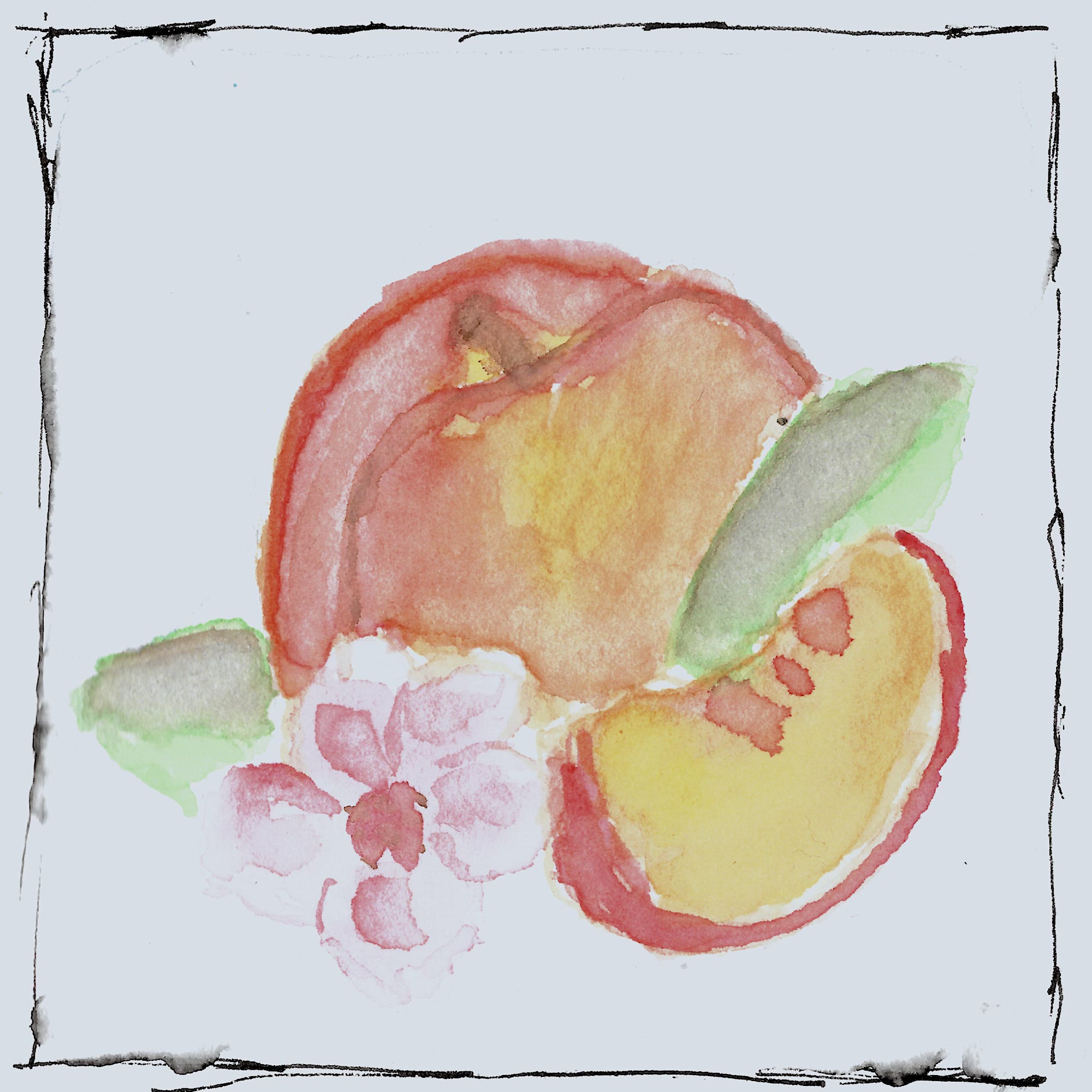
I’d pause for a couple of seconds to cue up “Entertainment” and sprint past the newly-arriving guests, the sprinklers turned on to water the grounds, the guys with the leaf blowers, the groundskeeper spreading mulch (and—of course—being brought back in time by the smell), the elegant little flower beds with blossoms reminiscent of the ones on the album cover, then down the hill, past the guardhouse, and onto the main boulevard. The ebullient pulse of the sidechained noise and kick drum into the chorus would propel me into the pentatonic toy piano melody, and I’d take the sidewalk, making it three blocks to the light at the busy intersection if there were no obstructions like slow dog-walkers or new parents with strollers, just in time for it to change so I could cross. “S.O.S. in Bel Air” would have concluded by then, and—depending on the weather and the traffic, I might be able to see the bus in the distance getting ready to turn into the Harris Teeter parking lot for a brief pause before continuing the cycle and driving away.
And here’s the decision point: sometimes if there wasn’t much traffic, I could book it across the street, to be on the same side that the bus was on in case I wasn’t feeling up to sprinting the rest of the way if the timing was off. Otherwise I’d have to wait for another light to cross, which was a major risk. Some days, fortune smiled upon me and I was able to cross and then just walk to the bus, but other days I would be stuck waiting for a cycle. And if I was, I might as well have been waiting for a ship to take me to the other side of the planet.
After moving away from Asia and seeing that there were so many opportunities for people to get around, but didn't require driving, didn't require individual ownership of vehicles, I went into a brief period of mourning. I would complain to myself about how the United States and how, specifically the part of the world that I was living in, was not adaptive for people to live without cars, as well as the sort of sadness that comes with that. But only after I boarded the bus successfully.
“My love is cruel,” from “Chloroform,” is one of the most straightforwardly intense choruses I can think of in a pop song; so deep, so declarative, such acerbic poison. It reminds me of that pause before the bus leaves me, the moment that the doors snap closed and it hits me that I have to tool around the grocery store not buying anything for 40 minutes until the next go-around. So much for patiently waiting.
But if I did it right, I would hand a snack to the driver, say some small greeting or affirmation of basic humanity, and take my rightful place on the throne of the common person—the single seat next to the rear accordion exit door. “Trying to Be Cool” would be playing as I thought about new urbanism, and—as I caught my breath—I’d gaze down at the cover art of this record, a picture of a peach and a blossom, evocative of longevity in the place I had come from, and delicious summer days in the place I was.
Verdict: Keep
What do you run to?