


When you’re young and an adult labels you as "gifted," it gives you a unique power—one that allows you to deceive in subtle ways. You learn how to relate to adults differently, playing a long game you don’t even realize you’re in. While your peers are no different from you, you’ve convinced the grown-ups that you can figure things out faster, that you’re better at communicating and relating to them than to kids your own age. Depending on where and when you’re in school, this might lead to special classes, privileges, or more time on your own.
I was recognized as gifted in first or second grade. My parents had initially enrolled me in a Montessori school, but after some family upheaval, I was transferred to a regular public school in the small town we lived in. I had shown enough skill in math and reading—working a grade level or more above—that my teachers didn’t know what to do with me. I’d often get books meant for sixth or seventh graders and sit in the hallway reading while the other kids had class. Sometimes, if I was deep into a series, I’d spend hours in the nurse’s office, reading until I got tired.
This is how my years of unsupervision began.
A few years later, after moving to a new town, enrolling in honors classes, and making it to sophomore year, I applied for my high school’s video journalism program. It was an exclusive class for students who showed promise, a chance to create video packages for Channel One, which aired during study hall. It was a tight crew of four of us—my friends and I all applied, got in, and were given laptops and video cameras to carry around during the school day. We had after-hours access to the school, press credentials, skeleton keys—the works. We also got priority scheduling because some of our projects required time off-campus or uninterrupted stretches for creative work.
This was our uninterrupted time for creative exploration and development: study hall, then lunch, then a placeholder class for us to work on video projects. Mostly, we used our back-to-back study halls to play Halo (the macOS version had recently been released) and watch music videos on an early pre-YouTube video aggregation site, the name of which has since been lost to link rot and internet history. With the time for “class” conveniently slotted right after lunch, we had a solid two hours to do whatever we wanted.
In hindsight, this might have hindered my formal education, but it developed my visual grammar for scenes, for the rhythm of video, in ways my classmates surely didn’t experience.
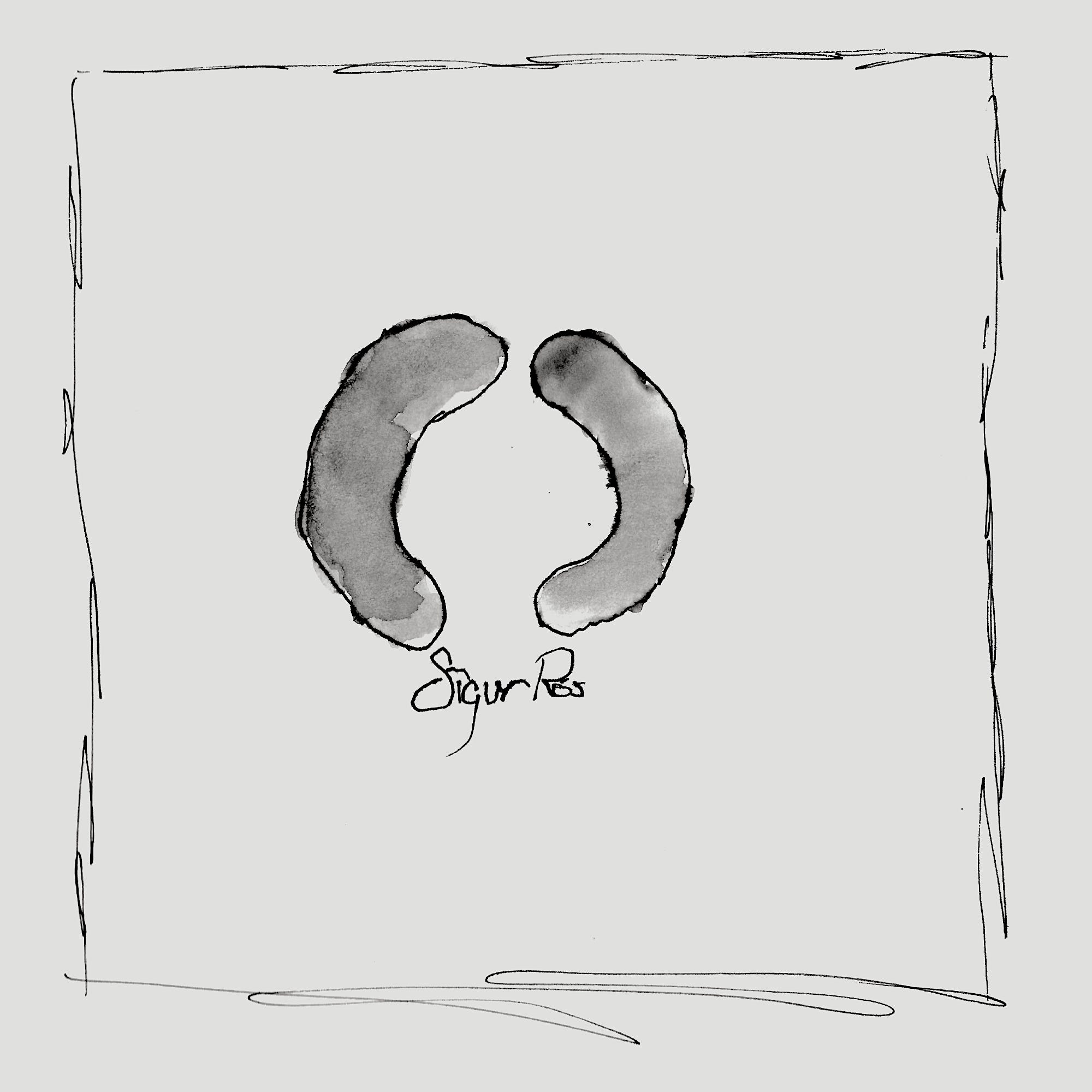
It was on this unnamed video channel that I first encountered Sigur Rós. "Untitled #1 (Vaka)" popped up, accompanied by a brief description of the video’s narrative, the director’s name, and a tiny, nondescript thumbnail. I clicked it while sitting at the news desk, let it load, watched it once, and then immediately called my friends over to watch it again. The video was cinematic, dystopian, and tragic, yet somehow it captured a nostalgic, childlike joy. My poetry professor in college would later name a book after a similar concept—being “ecstatic in the poison”—though I wouldn’t know that for a few more years.
Sigur Rós quickly became one of my favorite bands throughout high school. They combined the ebb-and-flow of Godspeed You! Black Emperor with vocals that served more as an instrument than lyrics. The invented language, “Hopelandic,” added an extra layer of mystery and ethereal beauty to Jonsi’s falsetto, though it turns out journalists made up this concept to exoticize the band further. Though it wasn’t Sigur Rós that first made me dream of Reykjavik’s landscapes—that credit goes to Björk—it was enough to make me start looking up flights to Iceland.
There’s a profound irony in the Vaka video: while the children are supervised by adults, they still meet their doom. In the end, being a "gifted" kid comes with its own constraints—you’re given freedom, but also carry the weight of not wanting to disappoint the adults who give you so much license. So you create your own small world and work within those boundaries. I think that’s why I always let my mind wander into creative projects—paradoxically, I began limiting myself early on, because it granted me a sense of freedom.
Verdict: Keep
What happens when you’re left unsupervised?